How You Can Use AI to Prepare Better for Job Interviews
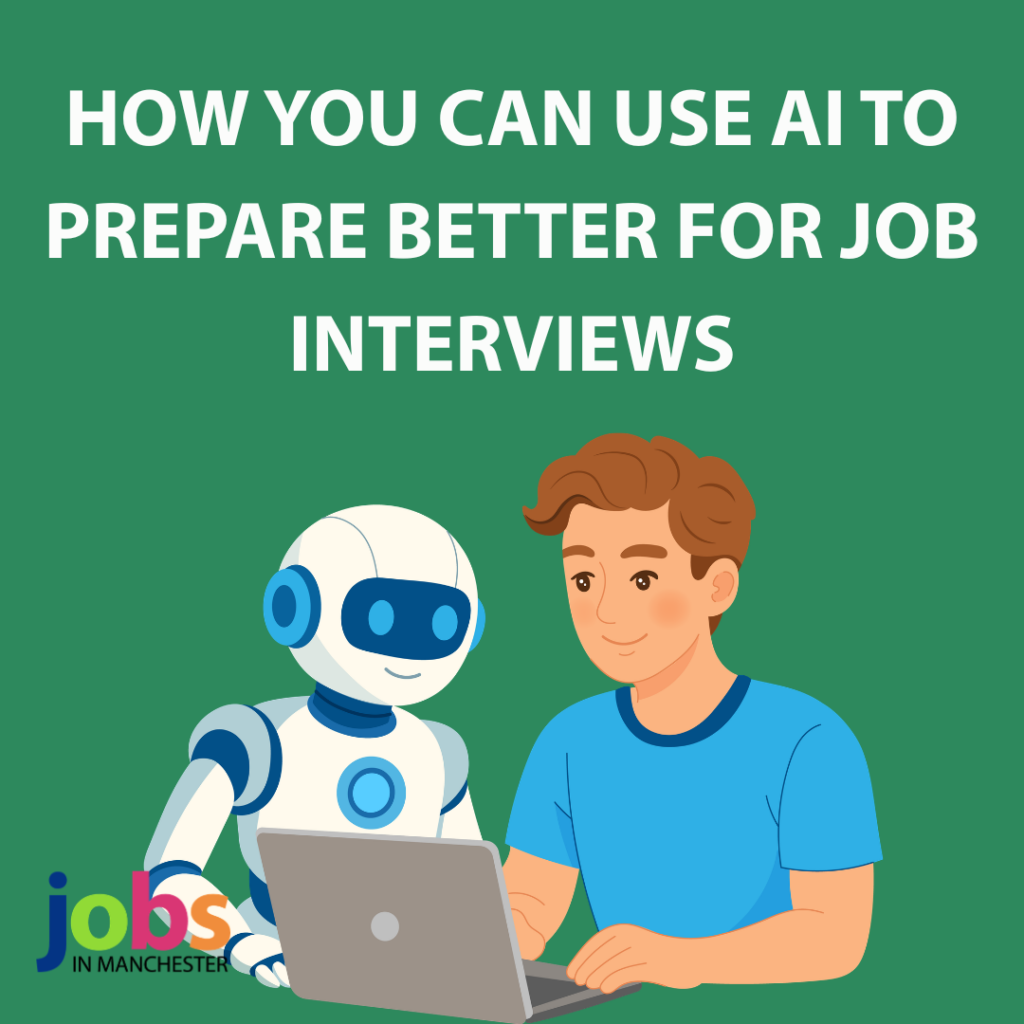
How You Can Use AI to Prepare Better for Job Interviews
If you’ve got an interview coming up, chances are you’re feeling a bit of pressure. You might know you can do the job, but interviews have a way of making even confident people second-guess themselves.
That’s why more candidates are starting to look at how they can use AI to prepare for interviews. Not to cheat, and not to generate perfect answers, but to prepare properly before they’re put on the spot.
Used the right way, AI isn’t about shortcuts. It’s about giving yourself thinking time.
Why Interviews Feel Hard Even When You’re Qualified
Most interview nerves don’t come from a lack of skill or experience. They come from being expected to explain yourself clearly, quickly, and confidently, often without much time to think.
In interviews, you’re usually juggling a few things at once:
- Choosing the right example- You know you’ve done relevant work, but deciding which example best answers the question can be difficult under pressure.
- Keeping answers focused – Without preparation, answers often become too long or drift away from the point, even when the experience itself is strong.
- Managing nerves while thinking on the spot –When nerves kick in, it’s harder to structure answers clearly, even if you know exactly what you want to say.
When you use AI to prepare for interviews, you’re tackling these challenges before interview day, not during it.
What AI Is Actually Helpful For in Interview Preparation
There’s a lot of hype around AI, so it’s worth being clear about where it genuinely helps.
AI is particularly useful for:
- Practising common interview questions – Rehearsing answers in advance reduces the mental load on the day. You’re recalling answers you’ve already thought through, rather than inventing them on the spot.
- Turning experience into clearer answers – Many people struggle to talk about achievements without underselling themselves or rambling. AI can help you refine those answers so they’re clearer and more concise.
- Understanding what employers are really asking – Interview questions are often vague. AI can help break them down so you understand what the interviewer is actually looking for.
What AI isn’t good for is pretending you have experience you don’t or memorising answers word for word. Interviewers can spot that quickly, and it usually works against you.
The value comes when you use AI to prepare for interviews as a thinking tool, not a script.
Using AI as a Practice Partner (Not a Script)
One of the most effective ways to use AI is to treat it like a practice interviewer rather than an answer generator.
You can ask it to:
- Ask you interview questions one at a time
- Give feedback on whether your answers are clear
- Help you shorten answers without losing meaning
As you practise, patterns start to emerge. You’ll notice which examples land well and which ones need tightening. Over time, your answers feel more natural because you’ve already worked through them.
This kind of preparation is especially helpful if you tend to get nervous or freeze under pressure. Practising beforehand gives you a sense of control, which often makes interviews feel far less intimidating.
That’s one of the biggest benefits when you use AI to prepare for interviews properly.
Why This Matters for Local Jobs
If you’re applying for local roles, particularly with smaller or medium-sized businesses, interviews are often more conversational than formal.
Employers are usually trying to understand:
- Why you’re interested in the role
- How your experience applies in practice
- Whether you’ll fit into the team
They’re less concerned with perfect phrasing and more interested in clarity and honesty.
Preparing with AI helps you explain your experience in a way that feels relevant and grounded, without sounding rehearsed or over-polished.
A Simple Way to Get Started
You don’t need to spend hours preparing to see a difference.
A simple approach is to paste the job description into the tool and ask what the employer is likely to care about most. From there, practise explaining your experience out loud and refine your answers until they feel natural.
Even ten or fifteen minutes of focused preparation can change how you feel walking into an interview. That sense of being prepared is often what people describe as confidence.
When you use AI to prepare for interviews this way, you give yourself a genuine advantage.
Free Interview Preparation Guide
To make this easier, we’ve created a short guide with 15 AI prompts you can copy and paste to help you prepare better interview answers.
It’s practical, quick to use, and designed to help you prepare without sounding scripted.
Download the free interview prep guide
Interviews aren’t about being perfect. They’re about being clear.
When you give yourself time to think through your answers before interview day, everything feels easier. Using AI thoughtfully just helps you do that preparation more effectively.
Why Good Candidates Still Struggle in Interviews (And How to Prepare Better)

Why Good Candidates Still Struggle in Interviews
If you’ve ever left an interview feeling frustrated, you’re not alone. Many people walk out thinking, “I know I could do that job, so why didn’t it come across?”
It’s surprisingly common for capable, experienced people to struggle in interviews. And despite what it might feel like at the time, that doesn’t mean you’re bad at interviewing or not good enough for the role.
More often than not, it means you weren’t fully prepared for the format of an interview, rather than the job itself.
Interviews Test Explanation, Not Ability
One of the biggest misconceptions about interviews is that they measure how good you are at your job. In reality, interviews measure how clearly you can explain your experience under pressure.
That’s a very different skill.
You’re expected to talk about yourself, your achievements, and your decisions in a structured way, often with very little thinking time. For many people, that doesn’t come naturally.
This is why so many strong candidates still struggle in interviews, even when they’re more than capable of doing the work.
Common Reasons Good Candidates Struggle in Interviews
There are a few patterns we see again and again when people struggle in interviews. None of these reflect your actual ability, but they can affect how you come across.
- Answers feel unfocused or too long – Without preparation, it’s easy to include too much detail and lose the point of the answer, even when the example itself is relevant.
- Examples aren’t clearly structured – Candidates often have good experience but struggle to explain the situation, their actions, and the outcome in a clear sequence.
- Nerves interrupt your thinking – When you’re nervous, it’s harder to recall examples quickly or explain them calmly, which can make answers feel less confident than they really are.
- You underestimate how much preparation matters –Many people assume interviews should feel natural. In reality, preparation makes a huge difference.
When candidates struggle in interviews, it’s rarely about intelligence or competence. It’s usually about structure and preparation.
Why Preparation Makes Such a Difference
Preparation doesn’t mean memorising answers or sounding rehearsed. It means having already thought about what you want to say.
When you prepare properly, you:
- Know which examples you want to use
- Understand how to explain them clearly
- Feel less pressure to think on the spot
That preparation frees up mental space, which makes you appear calmer and more confident, even if you still feel nervous.
This is why preparation consistently helps candidates who struggle in interviews. It gives you a framework to fall back on when nerves kick in.
Preparing Smarter, Not Harder
Many people prepare for interviews by re-reading their CV or scanning the job description repeatedly. While that helps a little, it doesn’t prepare you for speaking out loud.
What’s more effective is practising how you explain your experience.
This is where tools like AI can help. Used properly, AI allows you to practise answers, refine your wording, and shorten long explanations into clearer responses. It’s not about replacing your voice. It’s about helping you get your thoughts straight before interview day.
If you struggle in interviews, this kind of preparation can be a turning point.
Why This Matters for Local Roles
For local jobs, interviews are often more conversational than corporate. Employers want to understand:
- Why the role makes sense for you
- How your experience applies day to day
- Whether you’ll be a good fit for the team
They’re not expecting perfection. They’re listening for clarity.
Preparing your answers in advance helps you communicate that clearly, without overthinking or underselling yourself.
A Practical Way to Improve Interview Performance
If interviews haven’t gone the way you hoped in the past, try this:
- Review the job description carefully
- Identify two or three strong examples from your experience
- Practise explaining them out loud
- Refine your answers until they feel natural
This kind of preparation helps reduce the reasons candidates struggle in interviews and makes the process feel far more manageable.
Free Interview Preparation Resource
To help with this, we’ve created a short guide with 15 AI prompts you can copy and paste to practise interview answers and prepare more confidently.
It’s designed for job seekers who want to improve how they explain their experience, not memorise scripts.
Download the free interview prep guide
If you struggle in interviews, it doesn’t mean you’re not capable. It usually means you haven’t had the chance to prepare in the right way yet.
With the right preparation, interviews become far less intimidating and far more manageable.
Why Job Ads Attract the Wrong Candidates (And How You Can Fix It)

Why Job Ads Attract the Wrong Candidates
If you’ve ever posted a role and felt disappointed by the response, you’re not alone. Many hiring managers find themselves overwhelmed with CVs that aren’t quite right, or worse, waiting weeks with very little interest at all.
When this happens, it’s easy to assume the problem is the market. In reality, most of the time job ads attract the wrong candidates because of how the role is written, positioned, or seen, not because there’s a shortage of good people.
Hiring rarely fails loudly. It usually fails quietly, through small issues that add up.
More Applications Doesn’t Mean Better Applications
One of the biggest misconceptions in hiring is that more exposure will automatically lead to better candidates. National job boards encourage this way of thinking by prioritising volume.
The problem is that when job ads attract the wrong candidates, it’s often because they’re being shown to too many irrelevant people. This leads to:
- More unsuitable CVs
- Longer screening times
- Frustration with the hiring process
Good candidates don’t apply to everything they see. They scan quickly and move on if a role doesn’t feel relevant.
Common Reasons Job Ads Attract the Wrong Candidates
There are a few recurring reasons we see when job ads underperform. None of them mean the role itself is unattractive, but all of them affect who applies.
- The job title is too vague – Generic titles blend into the noise. When candidates can’t quickly understand the role, they’re less likely to apply, or the wrong people apply instead.
- The language feels internal or generic – Phrases that make sense internally don’t always translate well to candidates. This can create confusion about what the role actually involves.
- There’s no salary context – Many candidates skip roles without a clear salary range. This often leads to mismatched expectations and unsuitable applications.
- The requirements list is too long – Overly detailed requirements can discourage strong candidates who meet most, but not all, criteria, while still attracting people who apply regardless.
- There’s no local relevance – When a role doesn’t clearly signal who it’s for and where it’s based, it’s more likely that job ads attract the wrong candidates.
Each of these issues might seem small on its own, but together they significantly affect applicant quality.
Why Relevance Matters More Than Reach
Hiring works best when your role is seen by the right people, not the most people.
Candidates want to quickly understand:
- Is this role relevant to me?
- Does it fit my experience and expectations?
- Does it make sense for where I’m based?
When job ads attract the wrong candidates, it’s often because those questions aren’t answered clearly enough.
Improving relevance filters out unsuitable applicants before they ever apply.
Small Changes That Improve Applicant Quality
You don’t need to overhaul your entire hiring process to see better results.
Simple changes often make the biggest difference, such as:
- Clarifying who the role is really for
- Explaining why the role exists
- Focusing on must-have requirements
- Making the role feel grounded and specific
These adjustments help ensure your job ad speaks directly to the candidates you actually want to hear from.
Why This Matters for Local Hiring
For local roles, clarity matters even more. Candidates applying locally are often looking for stability, fit, and relevance, not just any opportunity.
When job ads attract the wrong candidates, it wastes time on both sides. When they’re clear, focused, and locally relevant, the hiring process becomes faster and more effective.
A Practical Guide for Employers
If you’re currently hiring and want to improve the quality of applicants you receive, we’ve created a short guide that breaks down why job ads underperform and how to fix them.
It’s written for employers hiring directly and focuses on clarity, relevance, and local visibility, without recruitment sales pitches.
Download the free guide
If job ads attract the wrong candidates, it doesn’t mean hiring is broken. It usually means the message or visibility needs adjusting.
When roles are clearer and more relevant, better candidates follow naturally.
A Complete Guide to Student Jobs in Manchester
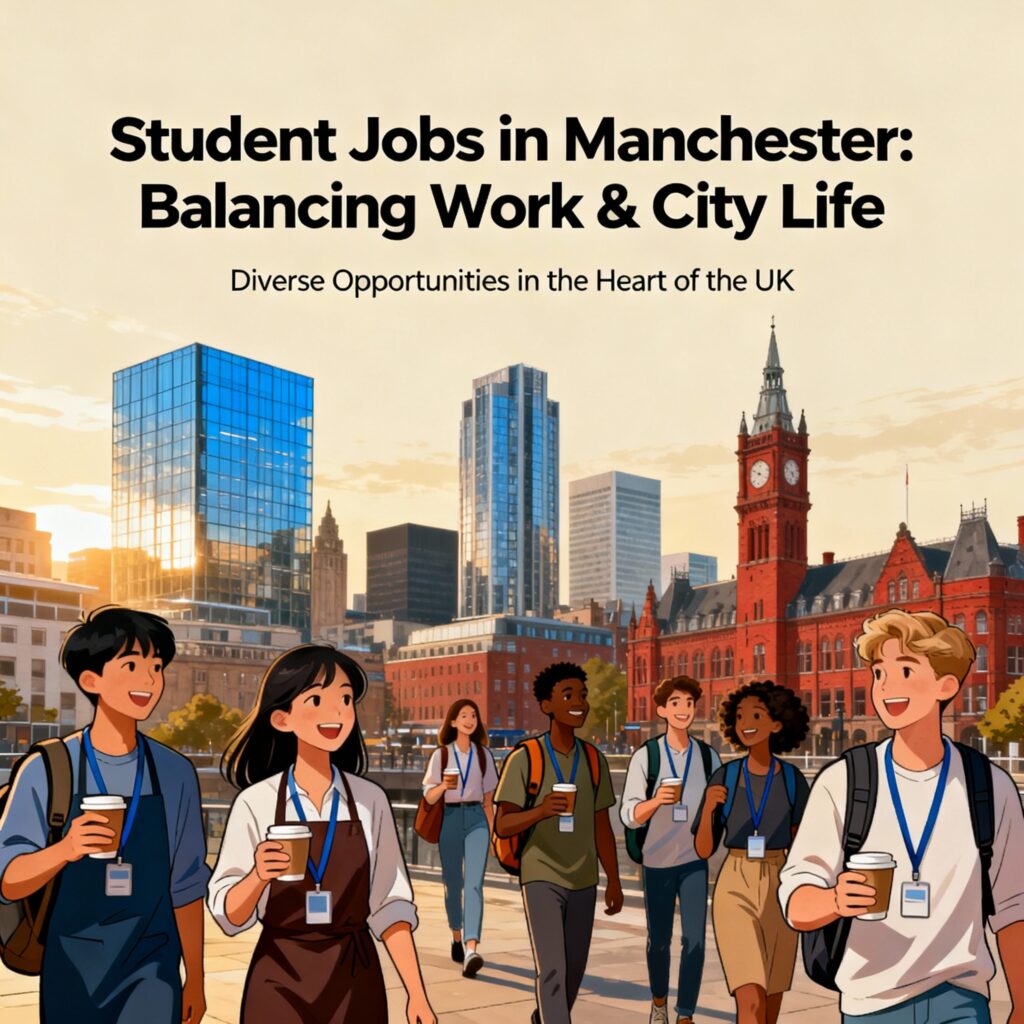
Manchester is recognised as one of the UK’s top student destinations, hosting over 100,000 students from five universities. Alongside this vibrant academic community, there is a lively job market specifically geared towards students balancing work and study. Whether you’re aiming to fund your education, gain valuable work experience, or develop career-ready skills, Manchester’s diverse economy provides plenty of opportunities for student employment across the city centre, Fallowfield, the Northern Quarter, and beyond.
This comprehensive guide covers everything you need to know about finding work in Manchester, including the best job sectors and employers, along with practical tips for securing your ideal role while maintaining academic success.
Why Manchester is Ideal for Student Employment
Manchester’s reputation as a student-friendly city goes beyond its academic offerings. The city produces around 36,000 students each year, with 46% opting to remain in Manchester after graduation, reflecting the city’s excellent employment opportunities and high quality of life.
The employment landscape in Manchester offers particular advantages for students. With projected economic growth of 2.1% between 2025 and 2028—significantly faster than the UK’s national rate of 1.6%—the city presents expanding opportunities across multiple sectors. Manchester is expected to record the joint-fastest rate of employment growth of all UK towns and cities, with job numbers forecast to grow at an average annual rate of 1.3%.
For students, this growth provides accessible part-time opportunities in growing industries such as hospitality, retail, digital technology, and professional services. The city’s excellent transport infrastructure, including the Metrolink and the expanding Bee Network, makes it easy to travel between university campuses and workplaces across Greater Manchester.
Popular Student Job Sectors in Manchester
Retail Jobs for Manchester Students
Retail offers one of the most accessible entry points for student employment in Manchester. The city boasts major shopping destinations including Manchester Arndale in the city centre and the Trafford Centre, both offering numerous part-time positions suitable for students.
Retail roles usually provide flexible shift patterns that fit around lecture schedules, with opportunities to work evenings and weekends. Many retailers specifically look for student employees because of their reliability, communication skills, and availability during busy trading times.
Popular retail employers for students include major chains located in Manchester city centre, independent boutiques in the Northern Quarter, and sports retail opportunities such as Manchester City’s official stores at the Etihad Stadium and Manchester Arndale. These positions typically pay the National Minimum Wage, which as of April 2025 stands at £12.21 per hour for those aged 21 and over.
Hospitality Jobs for Manchester Students
Manchester’s lively hospitality sector offers numerous opportunities for students, especially in bar work, restaurant service, and café roles. The city’s reputation as a cultural hub ensures steady demand for hospitality staff across various venues. Bar work remains especially popular, providing competitive hourly rates often topped up by tips. Popular areas for hospitality jobs include the Northern Quarter, known for its independent bars and restaurants, Fallowfield and Ladybarn near student accommodation, and the diverse restaurant scene in the city centre.
The flexibility of hospitality work suits student schedules, with many venues offering shift patterns around lectures and exams. Employers such as Greene King actively recruit students, recognising the mutual benefits of flexible working arrangements. Major hospitality employers typically offer comprehensive training, so prior experience isn’t always necessary.
Student Ambassador Jobs in Manchester
Student ambassador roles are some of the most rewarding on-campus jobs, providing competitive pay, career development, and the opportunity to represent your institution.
Both the University of Manchester and Manchester Metropolitan University run extensive student ambassador schemes. These programmes offer flexible, paid work throughout the academic year, with roles typically paying £12.60 per hour plus holiday pay.
Ambassador responsibilities include supporting open days, conducting campus tours, participating in panel events, creating content, assisting with registration and wayfinding, and engaging with social media.
The flexibility is especially beneficial for students. Unlike traditional roles, many ambassador opportunities are allocated on a first-come, first-served basis, enabling you to accommodate your academic commitments. Manchester Met’s Jobs4Students programme specifically caps student work at 16 hours per week during term time, ensuring you maintain focus on studies whilst gaining valuable experience.
Tutoring Jobs for Manchester Students
For academically strong students, tutoring presents one of the highest-paying opportunities. Tutoring rates typically range from £25 to £50 per hour, making it particularly appealing for those looking to maximise earnings while working fewer hours. The tutoring market in Manchester includes various formats such as one-to-one private tutoring, small group sessions through tutoring agencies, online tutoring platforms offering remote flexibility, and support for students with Special Educational Needs (SEN) and Social, Emotional and Mental Health (SEMH) needs.
Students with strong GCSE or A-level results in core subjects—especially Maths, English, and Sciences—are well-placed to secure tutoring work. Experience working with children or young people, while helpful, isn’t always necessary as many tutoring firms offer thorough training.
The flexibility of tutoring work suits students’ schedules very well, with many tutors able to choose their own hours and work routines. Online tutoring especially offers convenience, removing the need to travel and allowing you to work from your accommodation.
University Jobs for Manchester Students
Both Manchester Met and University of Manchester advertise on-campus opportunities specifically designed for their student populations.
Manchester Met’s Jobs4Students scheme provides access to roles throughout the university, including creative positions in marketing departments, research assistant roles supporting academic projects, IT support positions, sport and recreation roles, event ambassador opportunities, peer mentoring programmes, and administrative support across various departments.
The University of Manchester similarly advertises part-time campus roles through CareerConnect and the Students’ Union job shop. These positions often match students’ academic interests, offering relevant experience alongside their studies.
Campus employment offers distinct advantages, including convenient locations that eliminate commute time, employers who understand academic pressures and exam periods, guaranteed payment of at least the Real Living Wage, and valuable professional experience directly relevant to future careers.
Additional Student Job Opportunities
Beyond these core sectors, Manchester students can pursue customer service roles in call centres and offices, delivery driver positions with flexible hours, market research and promotional work, temporary seasonal jobs during Christmas and summer, care roles and support positions for those with relevant experience, and freelance opportunities in fields such as graphic design, content creation, and digital marketing.
Key Student Employment Areas in Manchester
Student Jobs in Manchester City Centre
Manchester city centre offers the largest range of student job opportunities across various sectors. The ease of access via the Metrolink and bus networks makes it convenient for students residing throughout Greater Manchester.
Retail opportunities abound in the city centre, with Manchester Arndale housing over 200 stores, many of which actively recruit student staff. The area around St Ann’s Square and King Street offers positions in premium retail environments, whilst Market Street provides high street retail opportunities.
Hospitality roles thrive throughout the city centre, from well-established hotel chains to independent cafés and restaurants. The financial and professional services sector, centred in Spinningfields, occasionally provides part-time administrative and support roles suitable for students, especially those studying business, finance, or related fields.
Student Jobs in Fallowfield, Manchester
Fallowfield’s status as a primary student residential area creates a localised job market particularly suited to student workers. The convenience of working close to accommodation significantly reduces commute times, allowing you to maximise study hours.
Local businesses, including cafés, restaurants, and convenience stores, actively seek student employees who understand the community they serve. Student-focused employers in the area often offer maximum flexibility, recognising their workforce’s academic priorities.
The area also benefits from student-specific opportunities such as property management and student accommodation roles, including letting and showing properties to prospective tenants.
Student Jobs in the Northern Quarter, Manchester
The Northern Quarter’s lively independent scene attracts students looking for work environments that emphasise creativity and individuality. This area, recognised for its diverse range of vintage shops, record stores, independent cafés, and cocktail bars, offers unique employment experiences.
Employers in the Northern Quarter often prioritise personality and customer service skills over extensive experience, making it accessible for students entering the job market. The area’s proximity to both university campuses—approximately 15 minutes from the University of Manchester and Manchester Metropolitan University—makes it convenient for you to balance work and lectures.
Bar and café work predominantly characterise student employment in the Northern Quarter, with many venues offering creative and relaxed working environments that attract students. Retail jobs in independent boutiques and specialised stores offer alternatives to high street retail, often involving smaller teams and a wider range of responsibilities.
How to Find Student Jobs in Manchester
University Career Services and Job Boards
Both major Manchester universities provide dedicated resources for students seeking part-time employment. The University of Manchester’s CareerConnect platform offers access to part-time job vacancies, many of which are suitable for students with limited experience. The service also provides CV and cover letter support, ensuring applications adhere to professional standards.
Manchester Met students benefit from the Jobs4Students platform, which advertises university-based opportunities and approved external positions. The university’s Job Shop service additionally provides weekly drop-in sessions offering personalised guidance on job searching, CV writing, and interview preparation.
The Students’ Union at the University of Manchester runs its own job shop, promoting part-time opportunities across Manchester and student staff roles within the Union itself. This serves as a valuable resource often overlooked by students.
Online Job Platforms
Several specialist platforms cater specifically to student job seekers, offering positions with student-friendly employers who understand academic commitments.
StudentJob.co.uk focuses exclusively on part-time, temporary, and graduate opportunities, with extensive Manchester listings across hospitality, retail, and customer service sectors. Indeed and Reed both maintain substantial Manchester student job listings, with search filters allowing you to specify part-time hours, specific areas of Manchester, and preferred sectors.
Specialist hospitality platforms such as job boards operated by major pub and restaurant chains often advertise student-friendly positions with competitive pay and flexible hours. You should also monitor our platform, Jobs in Manchester, which showcases Manchester-based jobs with local employers, providing visibility to opportunities that might be missed on larger national platforms.
Direct Applications and Networking
Many student jobs, especially in hospitality and retail, are rarely advertised online. Instead, employers often use window posters, social media, or word-of-mouth to recruit. You should think about sending speculative applications and making direct enquiries at venues and shops where you’d like to work.
Walking around popular employment areas, Manchester city centre, the Northern Quarter, or Fallowfield with CVs in hand can yield results, particularly during peak recruitment periods in September/October and after Christmas.
Networking within your academic programme can also uncover opportunities. Many positions, particularly those related to research assistance or departmental support, are advertised via school email newsletters rather than central job boards.
Essential Tips for Student Job Seekers in Manchester
Balancing Work and Study
The University of Manchester recommends students work no more than 15 hours per week during term time, whilst Manchester Met caps Jobs4Students roles at 16 hours weekly. These limits exist to ensure academic success remains the priority whilst allowing valuable work experience.
International students must be particularly mindful of visa restrictions. Student visa holders can typically work up to 20 hours per week during term time and full-time during official vacations. It’s essential to check your specific visa conditions and maintain accurate records of working hours, especially if working for multiple employers.
Creating a realistic schedule that accounts for lectures, seminars, private study, and work commitments helps maintain balance. Many successful student workers recommend blocking out dedicated study time in your calendar and treating it as non-negotiable, just as you would a work shift.
Understanding Your Employment Rights
All student workers in the UK enjoy the same employment rights as other workers, including:
- Payment of at least the National Minimum Wage (£12.21 per hour for those aged 21 and over as of April 2025)
- Paid holiday entitlement calculated pro-rata for part-time work (statutory minimum of 5.6 weeks per year)
- Rest breaks including a 20-minute break for shifts longer than six hours
- A written statement of employment terms within two months of starting
- Protection from discrimination based on age, gender, race, disability, or other protected characteristics
Many students work on zero-hour contracts, particularly in hospitality and retail. Whilst these don’t guarantee fixed hours, you retain all other employment rights, including minimum wage, holiday pay, and the freedom to work for other employers.
If you experience issues with your employer, resources including ACAS (Advisory, Conciliation and Arbitration Service) and your university’s student support services can provide guidance.
Tailoring Your CV for Student Positions
Even with limited work experience, you can create compelling CVs by emphasising transferable skills gained through academic work, volunteering, society involvement, and personal projects. Employers value enthusiasm, reliability, and willingness to learn as much as extensive experience.
Your CV should highlight relevant skills such as:
- Teamwork demonstrated through group projects
- Time management evidenced by balancing academic and extracurricular commitments
- Customer service skills from any previous roles or volunteering
- Communication abilities developed through presentations and written work
- Technical skills including proficiency with software and digital platforms
The University of Manchester’s Careers Service and Manchester Met’s JobShop both offer free CV review services, providing expert feedback to strengthen applications.
Preparing for Interviews
Student job interviews usually focus on evaluating reliability, enthusiasm, and cultural alignment rather than on extensive experience. Common interview questions include enquiries about your availability and flexibility, how you balance your time between studying and working, why you are interested in that specific role or company, examples of working in a team or handling challenges, and your strengths and areas for development.
Preparing specific examples from your academic or personal life that illustrate key skills helps you respond to competency-based questions confidently. Remember to research the employer beforehand, understanding their values and customer base, shows genuine interest.
Maximising Earnings and Career Development
Strategic job choice can maximise both immediate earnings and long-term career prospects. While traditional retail and hospitality roles provide valuable experience, consider whether alternative options might better align with your goals.
Tutoring, for example, offers significantly higher hourly rates (£25-£50) than most student jobs, allowing you to earn similar amounts in fewer hours, leaving more time for studies. Student ambassador roles combine competitive pay (£12.60+ per hour) with career development opportunities and valuable additions to your CV. Campus-based positions often align with your field of study, providing directly relevant professional experience.
You should also think about how your part-time job helps develop skills valued by graduate employers. Roles that involve responsibility, customer interaction, problem-solving, or technical skills strengthen your employability alongside your degree.
What Employers Look for in Student Workers
Understanding employer priorities helps you position yourself effectively when applying for positions. Manchester employers hiring students typically value reliability and commitment more than extensive experience. They understand you have academic priorities but expect honesty about availability and consistency in meeting scheduled commitments.
Flexibility is another key attribute. Employers appreciate students willing to work varied shifts, including evenings and weekends when many student jobs are concentrated. During peak periods—weekends for retail, Friday and Saturday nights for hospitality—reliable availability makes candidates especially attractive.
Strong communication skills enable you to interact effectively with customers, colleagues, and managers. Even roles requiring minimal experience benefit from employees who can communicate clearly and professionally.
A positive attitude and eagerness to learn often outweigh gaps in technical knowledge or experience. Employers recognise student workers as learners and value enthusiasm for developing new skills.
Frequently Asked Questions About Student Jobs in Manchester
How many hours can students work whilst studying in Manchester?
UK and EU students can legally work up to 48 hours per week, though universities typically recommend 15-16 hours during term time to maintain academic focus. International students on Student visas must adhere to stricter limits—usually 20 hours per week during term time, with permission to work full-time during official holidays. Always check your specific visa conditions.
What is the average hourly rate for student jobs in Manchester?
Most student positions pay the National Minimum Wage, currently £12.21 per hour for workers aged 21 and over. Some employers, including both Manchester universities through their student employment programmes, pay the Real Living Wage which is slightly higher. Tutoring represents the highest-paying student work, with rates ranging from £25-£50 per hour.
Where are the best areas to find student jobs in Manchester?
Manchester city centre offers the greatest variety and volume of opportunities across retail, hospitality, and professional services. Fallowfield and nearby student areas provide convenient local employment in cafés, restaurants, and student-focused businesses. The Northern Quarter’s independent scene offers distinctive hospitality and retail positions. On-campus roles through university programmes provide convenient work aligned with academic schedules.
Do I need work experience to get a student job in Manchester?
Many student positions, particularly in retail and hospitality, require minimal or no previous experience. Employers typically provide comprehensive training and value enthusiasm and reliability over extensive experience. Student ambassador programmes, tutoring (if you have strong academic results), and campus roles are also accessible to those new to the job market.
How do I apply for student ambassador positions?
Both the University of Manchester and Manchester Metropolitan University recruit student ambassadors through their respective online systems. Applications typically open in late autumn/early winter for the following academic year. The process involves submitting an application form and attending an interview. Successful applicants join a pool of ambassadors who can then apply for specific paid opportunities throughout the year as they become available.
Can I work full-time during university holidays?
Yes, most students can work full-time during official university vacation periods. However, international students must verify their specific vacation dates with their institution, as term time definitions vary by course level. Postgraduate taught students, for example, are typically considered to be in term time during summer whilst completing dissertations, limiting them to 20 hours per week.
What employment rights do student workers have in the UK?
Student workers enjoy the same employment rights as all UK workers, including National Minimum Wage payment, paid holiday entitlement (pro-rata for part-time work), rest breaks during shifts, written employment terms, protection from discrimination, and health and safety protections. Even on zero-hours contracts, these rights remain in force.
How can I find student jobs that fit around my timetable?
University career services and student job platforms allow you to search specifically for part-time, flexible opportunities. Being honest about your availability when applying helps employers schedule shifts appropriately. Many student-friendly employers, particularly in hospitality and retail, actively accommodate academic timetables, especially during exam periods.
Take the Next Step in Your Manchester Career Journey
Manchester’s vibrant student job scene offers something for everyone, whether you’re looking for weekend hospitality roles, weekday retail shifts, lucrative tutoring opportunities, or campus positions that boost your career. Success depends on understanding your priorities, knowing your rights, and making use of the wide range of resources available through your university and local job boards.
With Manchester’s economy projected to outpace national growth and employment opportunities expanding across sectors, there’s never been a better time for students to enter the Manchester job market. The experience you gain, skills you develop, and connections you make through student employment will serve you well beyond graduation—particularly if you join the 46% of graduates who choose to build their careers in this vibrant city.
Ready to find your perfect student job in Manchester?
Visit Jobs in Manchester to explore the latest opportunities from Manchester’s leading employers. Whether you’re seeking part-time work in the city centre, student-friendly positions in Fallowfield, or flexible roles that accommodate your studies, our platform connects you directly with employers who value student workers. Start your search today and take the first step towards gaining valuable experience while supporting your Manchester student experience.
JIM rebrand, Introducing Jobs in Manchester
Following four years of JIM the team felt it was time for a brand refresh, and we are excited to say the new branding is now being rolled out.
Celebrate Old JIM achievements
- Over 3,000 jobs posted and promoted
- Over 1,500 loyal followers on LinkedIn & similar numbers across other platforms
- Most importantly nearly 10,000 application click throughs
- Cookie consent restricts the accurate count on website visitors, but our calculations suggest that over 2,500 users come to JIM each month
Our audience is growing daily.
New branding
The team decided the new branding should be vibrant, modern and explicit. The business is simple let’s keep everything that way.
New ambition
Many of the jobs promoted so far are from our corporate partners who can have many jobs open at any time. Our goal is to build our support for the SME community for whom saving on recruitment fees can make a real difference to the bottom line.
We would love to hear stories from employers who secured new staff from our promotion and employees who found their new job on jobs in Manchester.
5,000 jobs promoted is our next milestone, onward and upward.
New launches
Building on the success of www.jobsinmcr.co.uk we have been asked to create a similar platform for Cambridge, and particularly the dynamic Life Science & Healthcare sector. Watch this space……
REAL MANCHESTER JOBS – FOR REAL MANCHESTER PEOPLE
JIM – Jobs in Manchester Has Now Posted Over 3,000 Jobs!
We’re absolutely thrilled to announce a huge milestone for JIM – Jobs in Manchester has officially surpassed 3,000 jobs posted! This is one of many milestones for Jobs in Manchester, ultimately working towards our aim of providing greater choice and fresh opportunities every single day for job seekers across Manchester and the North West. Thank you to every employer and professional who’s contributed to making our platform grow day by day.
Discover Even More on the JIM Website
If you haven’t explored www.jobsinmcr.co.uk recently, now is the perfect time. Alongside many live vacancies, you’ll find our regularly updated blog featuring the latest on industry trends, job-seeking tips, and regional employment news. Have a look through our most recent posts to stay informed and inspired, there’s always something new to discover!
Follow JIM – Jobs in Manchester on LinkedIn
The Jobs in Manchester LinkedIn community is growing rapidly, bringing together more employers and driven candidates each week. Follow us for the latest job alerts, networking opportunities, and insights.
Thank You for Your Support
To every company sharing opportunities, every candidate searching for their next step, and to our supporters, thank you. Your support has propelled us past 3,000 jobs posted and helped our social community grow stronger every day.
— The Jobs in Manchester Team
Manchester Airport Jobs: Opportunities, Key Trends, and Expert Tips for Your Career in 2025

Searching for Manchester Airport jobs in 2025? You’re not alone. With Manchester Airport serving as one of the UK’s busiest travel hubs, demand for airport jobs and related roles is soaring. This guide explores the latest trends, top industries hiring, and practical steps to launch or advance your career at Manchester’s premier airport—whether you’re an experienced professional or just starting your job hunt.
Overview of the Manchester Job Market
Manchester’s job market continues to thrive, powered by ambitious investment in technology, infrastructure, and green energy. Manchester Airport is a significant economic engine, employing thousands directly and through partner firms in retail, hospitality, engineering, and logistics. It’s a key entry point for job seekers looking to work in a fast-paced environment with long-term career prospects. The airport’s growth and variety of roles make it a top choice for those wishing to build skills and progress within Greater Manchester’s dynamic job landscape.
Top Industries and Roles Hiring in Manchester Airport
Core Airport Roles
Roles span across multiple functions, including:
- Security and Assisted Travel Services
- Customer Service and Check-in
- Baggage Handling and Ground Operations
- Hospitality (lounges, retail, and catering)
- Engineering and Building Services
- Business Analysis and Project Management
- Environmental and Sustainability Officers
- Cleaning and Facility Management
Positions may be permanent or temporary, with shift work (early mornings and late nights) offering flexibility for different lifestyles.
Popular Employers and External Partners
- Manchester Airports Group (MAG)
- Menzies Aviation (ramp agents, technicians)
- Retailers and catering operators inside the airport
- Airline and ground handling agents
Growing Sectors at Manchester Airport
- Tech and Digital: IT support, data analysts, and cybersecurity roles
- Green Economy: Sustainability managers, environmental specialists
- Construction & Engineering: Building and maintenance, HVAC, project coordination
- Logistics: Supply chain and transport coordinators
Retail Jobs at Manchester Airport
Retail is one of the most vibrant and varied employment sectors within Manchester Airport, offering exciting roles for both entry-level job seekers and experienced retail professionals. With millions of passengers travelling through every year, airport retail jobs provide a dynamic work environment, progression opportunities, and access to some of the best-known brands on the high street.
Top Businesses Regularly Hiring for Manchester Airport Retail Jobs
Numerous established brands are continuously recruiting for their airport locations, including:
- World Duty Free: The largest duty-free operator at Manchester Airport, offering positions like sales assistant, store manager, and customer service across premium beauty, fashion, and gifting brands.
- Boots: Boots stores in multiple terminals provide opportunities in customer advisory, pharmacy services, and management.
- WHSmith: With branches in all terminals, WHSmith recruits for sales assistants, night-shift staff, and customer service roles.
- Pandora: The world-renowned jewellery brand regularly hires supervisors, assistant managers, and sales assistants for their airport store.
- M&S Simply Food: Offers roles like sales assistant, team leader, and supervisor in food retail.
- Plus additional fashion, travel, and accessory retailers such as The North Face and JD Sports.
Explore listings for Manchester Airport retail jobs on Indeed and RetailChoice for even more options.
Where to Find and Apply for Retail Jobs
- World Duty Free – Manchester
- Boots Airport Jobs
- WHSmith Careers – Manchester Airport
- Pandora – Terminal 2 Jobs
- Totaljobs – Retail Weekend Jobs
- Manchester Airport Academy: For support and workshops to access airport retail employers.
For a current list of all vacancies, check the latest retail job listings at Manchester Airport on jobsinmcr.co.uk.
Why Choose a Retail Job at Manchester Airport?
- Varied customers and a dynamic, fast-paced environment
- Excellent training and staff benefits from major global brands
- Clear career progression from entry-level to management roles
- Flexible hours to suit all lifestyles—including students
Tips for Securing a Retail Role at the Airport
- Highlight strong customer service skills and ability to perform under pressure
- Show flexibility for shifts, including earlies, nights, and weekends
- Showcase any previous retail or hospitality experience; however, many roles welcome first-time job seekers
- Prepare for the required security/background checks for airport positions
With such a range of established brands and plentiful opportunities, Manchester Airport’s retail sector remains a top choice for job seekers seeking a fresh and rewarding career path.
Tips for Job Seekers in Manchester Airport
- Tailor your CV to each airport job, highlighting transferable skills such as customer service, teamwork, and adaptability
- Apply promptly—many airport businesses recruit year-round, but some roles fill quickly during busy travel seasons
- Attend local jobs fairs for direct access to recruiting managers
- Be open to shift work; early starts and flexible hours are common
- Upskill in demand areas such as customer care, health & safety, or basic tech
- Prepare for competency-based interviews using the STAR technique (Situation, Task, Action, Result)
- Get your documents ready for security/background checks
- Utilise local employment mentors, community hubs, and online training resources
Local Resources and Support for Job Seekers
- Manchester Airport Academy: Provides employability training and exclusive job listings tailored to airport jobs
- One Manchester Employment and Skills Team: Personalised help with CVs, interview preparation, and digital skills
- Manchester Work Clubs: Free job search sessions, CV workshops, and networking throughout the city
- Specialist recruitment agencies such as Search Consultancy with experience in placing candidates at Manchester Airport
- Manchester City Council: Support on apprenticeships, training, and redundancy advice
Useful jobsinmcr.co.uk pages:
- Current airport job listings
- Manchester job market trends
- Top in-demand skills in Manchester for 2025
External helpful resources:
Frequently Asked Questions (FAQs)
How do I apply for Manchester Airport jobs?
Most roles are advertised online via Manchester Airport Group’s portal, or direct with partners like retailers and ground services. Prepare your CV and cover letter for each application and ensure you’re security-check ready.
What types of jobs are available at Manchester Airport?
Jobs range from customer service and security, to retail, engineering, hospitality, logistics, and management. Roles are available at all levels, from entry to experienced professionals.
Are there part-time and flexible roles at Manchester Airport?
Yes, many retail, hospitality, and ground operations jobs at Manchester Airport offer flexible hours, part-time contracts, and varied shifts (including nights and weekends).
What qualifications or skills do I need?
Requirements vary by role, but excellent customer service, good communication, team spirit, and a clean background check are recurring needs. Specialist positions may require the relevant qualification or licence.
Is there career progression at Manchester Airport?
Absolutely. Many employers at Manchester Airport offer structured progression plans, internal promotions, and formal on-the-job training.
What should I expect in the recruitment process?
Most processes include an online application, interview or assessment day, and background/security checks. Some retail and customer service roles require practical skills tests as well.
Conclusion and Call to Action
Ready to take off in your career? Manchester Airport jobs offer a gateway to rewarding roles within a thriving sector, with strong support networks and potential for growth. Whether you want your first job, a change of career, or a new challenge, now’s the time to discover your next opportunity.
View our latest retail job listings at Manchester Airport to browse Manchester Airport vacancies, explore market insights, or post your own job advert today. Your future at Manchester Airport starts here!
Free and Affordable Courses for Upskilling in Manchester

Your Guide to Manchester Upskilling Courses 2025
Upskilling is the key to staying competitive in Manchester’s dynamic job market. Whether you’re seeking a career change, looking for your first role, or keen to advance, now is the perfect time to discover Manchester upskilling courses 2025. The city is bursting with free training programmes and affordable certifications plus a wealth of Manchester digital skills courses that empower job seekers to thrive in local industries. In this guide, you’ll find the latest insights and practical tips to help you unlock new opportunities.
Overview of the Manchester Job Market
The Manchester job market in 2025 remains one of the UK’s fastest growing and most resilient. Here’s what job seekers should know:
- Manchester is projected to have the joint-fastest rate of employment growth among UK cities from 2025–2028, with job numbers rising at an average annual rate of 1.3%.
- The employment rate is currently at 71.4% for people aged 16–64, though there’s volatility due to economic shifts.
- The city’s economy, particularly sectors like technology and professional services, is expected to be £2.9bn larger in 2028 compared to 2024.
- Unemployment rates are higher than the national average, but there are significant prospects for those willing to upskill—especially in digital and healthcare roles.
Leading Trends
- Tech, health, and education are expanding sectors with ongoing skills shortages.
- Manchester’s digital economy is booming, driving demand for skills in software development, digital marketing, data analysis, and cloud computing.
- Entry-level roles are widely available, with on-the-job training for hospitality, retail, and care roles.
Top Industries and Roles Hiring in Manchester
| Sector | In-Demand Roles | Relevant Skills/Certifications |
| Technology | Software Developer, Data Analyst, IT Support | Programming, Cybersecurity, Digital Marketing |
| Healthcare | Nurse, Health Care Assistant, Mental Health Support | Care Certificates, Level 3 Health & Social Care |
| Education | Teaching Assistant, Tutor | Level 3 Teaching & Support, Safeguarding |
| Hospitality | Chef, Retail Manager, Waiting Staff | Food Safety, Customer Service, Teamwork |
| Manufacturing | HGV Maintenance, Team Leaders | NVQs, Health & Safety |
Manchester’s top sectors for job growth also include digital and creative skills, retail, and business management.
Free and Affordable Manchester Upskilling Courses 2025
Manchester has a wealth of accessible opportunities for practical learning and recognised certifications:
Free Training Programmes – Greater Manchester
- The Manchester College: Offers free Level 3 qualifications in areas like business, healthcare, and digital tech for adults who meet eligibility criteria (aged 19+, low income, or currently unemployed).
- The Growth Company: Six-week fully funded courses in leadership, management, education, and more—delivered by The Growth Company and The Skills Network. These include a guaranteed interview upon completion.
- Total People: Free Level 3 courses for sectors including HGV maintenance, hospitality, accountancy, and childcare, plus career advice services.
- Manchester Adult Education Service: Free digital skills workshops at local learning centres for all abilities, with face-to-face and online options (see Digital Skills for Beginners, MS Essentials, and Entry 3 Digital Essentials).
Affordable Certifications in Manchester
- Pitman Training Manchester: Renowned for CPD-accredited diplomas (admin, digital marketing, bookkeeping, and more), Pitman’s Manchester centre offers flexible, career-focused qualifications at affordable rates, with employability support and 1-1 coaching.
- Manchester University (ed2go Partnership): Self-paced, low-cost online certificates for IT, business, and healthcare, including recognised industry credentials like CompTIA A+, Cybersecurity, and Medical Billing.
- Manchester Digital Academy: Industry-led technical training and digital qualifications for both career starters and professionals.
Manchester Digital Skills Courses
Manchester is a UK leader in digital upskilling:
- Free Digital Skills for Beginners: Available at Manchester Adult Education Service learning centres (multiple locations throughout the city), covering devices, internet safety, email, and office applications.
- **Trafford College **: Free digital qualifications (Entry Level, Level 1, Level 2). Courses cover social media, Microsoft Office, and IT security—open to anyone aged 19+.
- Local Libraries & Community Centres: Free weekly digital drop-in sessions at venues like The Avenue Library, Longsight, Moss Side, Withington, and Harpurhey, providing personalised, paced learning with friendly tutors.
Actionable Tips for Job Seekers in Manchester
- Identify your target industries and match your skills to current demand—tech, care, and digital are especially hot in 2025.
- Start with free taster workshops or short courses to bridge skills gaps before committing to longer programmes.
- Update your CV after completing every course or certification, especially digital badges or sector-recognised qualifications.
- Take advantage of job fairs (e.g., Manchester Job Show 2025, 26–27 September) to connect directly with employers and see what skills they’re seeking.
- Register for alerts and career support on Jobs in Manchester.
- Network through free seminars, online workshops, and community events offered by local training partners.
- Don’t overlook on-the-job training—many employers provide structured upskilling for new hires.
- Check eligibility criteria for free training; if you’re on a low wage or unemployed, there may be extra support.
- Seek digital upskilling as a priority—essential for almost all office, retail, and technical roles in Manchester.
Local Resources and Support for Upskilling and Job Search
- Manchester College: Full list of free and funded adult courses.
- Manchester Adult Education Service: Digital and community learning for all ages.
- Growth Company: Skills Bootcamps, interview coaching, and employment advice.
- Total People: Tailored programmes, apprenticeships, and guidance.
- Manchester Job Show: Careers fair connecting candidates to top employers.
- Local Libraries & Digital Hubs: Drop-in IT support and career coaching.
Frequently Asked Questions (FAQs)
What are the best Manchester upskilling courses 2025 for job switchers?
Free Level 3 qualifications at The Manchester College, Skills Bootcamps by The Growth Company, and digital workshops via Manchester Adult Education Service are ideal for career changers.
Are there any free training programs in Greater Manchester for digital skills?
Yes, both Trafford College and Manchester Adult Education Service offer free digital courses up to Level 2. Community centres also host digital drop-ins for all levels.
What are affordable certifications in Manchester with good employment value?
Pitman Training, Manchester Digital Academy, and Manchester University’s ed2go certificates are affordable and highly regarded by employers.
Do I need to be unemployed to access free upskilling courses?
Not always. Many free courses are available to adults on low wages, those without certain qualifications, or people looking to progress in their field.
How can I find out which skills are most in demand in Manchester for 2025?
Refer to the Top In-Demand Skills in Manchester, or check sector reports by local authorities and the Greater Manchester Combined Authority.
For more job search FAQs, see Manchester Job Market Trends 2025.
Manchester’s thriving economy and growing tech hub mean there’s never been a better time to upskill or retrain. Free and affordable courses are opening career doors for thousands—now’s your chance to join them. Whether you want to sharpen your digital skills or earn an industry-recognised certificate, these local courses offer flexibility, value, and employer recognition.
Ready to take the next step?
Browse the latest jobs, discover tailored upskilling courses, and access career support at jobsinmcr.co.uk. Invest in yourself—and let Manchester’s opportunities find you.
How to Use Social Media to Find Jobs in Manchester; Your Complete Guide to Social Media Job Search Manchester
Manchester’s job market is booming in 2025, with the city beating national growth and drawing in talent from tech, healthcare, finance, and creative industries. As competition heats up, job seekers and employers are using digital tools to get an advantage, and social media has become the key to the modern job search. Whether you’re a fresh graduate, an experienced professional, or a local employer, knowing how to use platforms like LinkedIn, Twitter (X), and Facebook can revolutionise your approach to recruitment and career growth. This guide explores the best strategies for a successful social media job search Manchester, with practical advice tailored for the unique opportunities and challenges of Greater Manchester.
Overview of the Manchester Job Market
Manchester is recognised as one of the United Kingdom’s most dynamic employment hubs, with economic growth projected at 2.1% annually through 2028, significantly exceeding the national average. The city’s employment rate for individuals aged 16 to 64 is currently at 71.4%. Although the unemployment rate remains marginally above the national average, Manchester displays the second-highest growth potential among England’s core cities. The job market is characterised by its diversity, featuring traditional industries alongside flourishing digital economies and innovative enterprises.
Why Social Media Matters for Job Search in Manchester
Social media platforms have revolutionised job hunting and recruitment. For job seekers, they offer direct access to employers, networking opportunities, and real-time job alerts. For employers, social media enables targeted advertising, employer branding, and engagement with both active and passive candidates.
Key Platforms for Social Media Job Search Manchester
- LinkedIn: The go-to for professional networking, local job listings, and employer research. Essential for “Greater Manchester LinkedIn job hunting”.
- Twitter (X): Ideal for live job alerts, industry news, and connecting with recruiters. Use hashtags and follow accounts for “Manchester Twitter job alerts”.
- Facebook: Join “Facebook groups Manchester jobs” for community-based listings and direct employer posts.
- Instagram: Especially useful for creative roles, showcase your portfolio and connect with local agencies.
Actionable Tips for Job Seekers in Manchester
- Optimise Your LinkedIn Profile:
- Use a professional photo and Manchester location.
- Include relevant keywords for your target roles.
- Join Manchester-focused groups and follow local employers.
- Set Up Twitter Job Alerts:
- Follow local recruiters and companies.
- Use hashtags like #ManchesterJobs, #NowHiring, #GraduateJobs.
- Engage with posts, retweet, comment, and join industry chats.
- Join Facebook Groups:
- Search for “Manchester jobs”, “Greater Manchester careers”, or sector-specific groups.
- Engage with posts, introduce yourself, and watch for new vacancies.
- Showcase Your Work on Instagram:
- Create a professional account for your portfolio.
- Use Manchester and industry-specific hashtags.
- Follow and interact with local agencies and employers.
- Network Actively:
- Attend local career events promoted on social media.
- Reach out to alumni and professionals for advice and referrals.
- Stay Professional:
- Keep profiles up to date and appropriate for employers.
- Be wary of scams, never pay for job applications and verify opportunities.
Bullet-Point List: Job Seeker Tips
- Optimise your LinkedIn profile with Manchester-specific keywords and join local groups.
- Set up Twitter/X job alerts and follow #ManchesterJobs and local recruiters.
- Join and participate in Facebook groups for Manchester jobs.
- Use Instagram to build a creative portfolio and connect with local employers.
- Follow Manchester-based companies on all platforms for early job postings.
- Engage with content, comment, share, and message to build relationships.
- Attend local events promoted on social media for networking.
- Double-check job offers and report suspicious activity.
How Employers Can Attract Talent in Manchester
Employers in Manchester are increasingly leveraging social media to reach top talent:
- Enhance Employer Branding: Share company culture, success stories, and employee testimonials on LinkedIn, Twitter, and Instagram.
- Targeted Job Ads: Use social media’s advanced targeting to reach candidates based on skills, location, and interests.
- Engage with Local Communities: Post in Facebook groups and participate in Twitter chats relevant to Manchester industries.
- Encourage Employee Advocacy: Ask current staff to share vacancies within their networks for greater reach.
- Respond Promptly: Engage with potential candidates who comment or message on social channels.
- Promote Diversity and Inclusion: Showcase inclusive policies and diverse teams to attract a wider talent pool.
Local Resources and Support for Job Seekers
Manchester offers a wealth of support services for job seekers:
- Jobsinmcr.co.uk: Your go-to for the latest Manchester job listings and employer resources.
- Employ GM: Local job search tool and employment support programmes.
- Career Connect Manchester: Personalised career advice for young people and those not in education, employment, or training.
- Manchester City Council: Information on job search, CV writing, and interview preparation.
- Working Well (GMCA): Support for overcoming employment barriers, especially for long-term unemployed residents.
- Greater.jobs: Public sector vacancies across Greater Manchester.
- University and College Careers Services: Drop-in advice, events, and alumni networking.
External Resources
- National Careers Service (for impartial careers advice)
- Prospects: How to use social media to find a job
Frequently Asked Questions (FAQs)
How can I use social media to find jobs in Manchester?
Start by optimising your LinkedIn profile for Greater Manchester LinkedIn job hunting, join relevant Facebook groups for Manchester jobs, and set up Twitter job alerts for real-time vacancies. Engage with local employers and recruiters, and follow companies for early job postings.
Are there specific Facebook groups for jobs in Manchester?
Yes, search for “Facebook groups Manchester jobs” to find active local communities where employers and recruiters regularly post vacancies.
What are the benefits of using LinkedIn for job hunting in Greater Manchester?
LinkedIn allows you to connect directly with local employers, join professional groups, and access jobs tailored to your skills and location. It’s especially effective for professional and graduate roles.
How do employers use social media to find candidates in Manchester?
Employers post job ads, share company updates, and use targeted advertising on platforms like LinkedIn, Twitter, and Facebook. They also build employer brands to attract talent and encourage employee referrals.
What support is available for job seekers in Manchester?
Local resources include jobsinmcr.co.uk, Employ GM, Career Connect, Manchester City Council, and Working Well. These organisations offer job listings, career advice, CV support, and tailored employment programmes.
Social media is your gateway to Manchester’s most exciting job opportunities. By combining a professional online presence with active engagement across platforms, you can unlock hidden vacancies, build valuable connections, and stand out to top employers. Employers, meanwhile, can access a wider, more engaged talent pool and showcase what makes their organisation unique.
Ready to take the next step?
Top in Demand Skills in Manchester for 2025

As Manchester’s economy grows and diversifies, the skills landscape is changing fast. Knowing the in-demand skills for 2025 is vital for job seekers wanting to stay ahead and employers looking to build teams that are ready for the future. Whether you’re just starting out, thinking of a career change, or recruiting in Greater Manchester, this guide spotlights the most sought-after skills, current trends, and local opportunities for upskilling.
The Changing Face of the Manchester Job Market
Manchester has a rich history as a hub of industry and innovation. From its iconic textile mills to its emergence as a tech and digital hotspot, the city’s economy is a testament to its adaptability and drive.
In 2025, Greater Manchester workforce skills trends are shaped by:
- Digital transformation across all sectors
- The green economy and sustainability-led roles
- A growing health and social care demand
- The region’s strong creative and media industry
- The persistent Manchester tech skills shortage
As more companies offer hybrid or remote roles and large infrastructure projects get underway, the job market is rich with opportunities, but only for those with the right skills.
Top Industries and Roles Hiring in Manchester in 2025
🖥️ Tech and Digital
Despite years of growth, Manchester still faces a tech skills shortage. Demand is exceptionally high for:
- Software developers and engineers
- Cybersecurity specialists
- Data analysts and AI specialists
- Cloud infrastructure experts
Tech firms in MediaCityUK, Manchester Science Park, and the Northern Quarter continue to scale, creating a wave of vacancies for those with digital expertise.
Hot tip: Coding bootcamps and short online certifications in Python, cloud services (AWS/Azure), and data science are popular upskilling opportunities in Manchester.
🏥 Health and Social Care
Greater Manchester’s integrated health system creates ongoing demand for:
- Nurses and healthcare assistants
- Mental health practitioners
- Support workers
- Care coordinators
These roles are bolstered by government support and local NHS recruitment campaigns.
🌱 Green Economy and Sustainability
The push for carbon neutrality by 2038 has accelerated demand for:
- Environmental consultants
- Sustainability officers
- Renewables engineers
- Green construction specialists
Upskilling into sustainability roles is now a major focus of Greater Manchester Combined Authority (GMCA) skills initiatives.
🏗️ Construction and Infrastructure
Major transport projects like HS2 and Northern Powerhouse Rail are driving recruitment for:
- Civil engineers
- Project managers
- Skilled tradespeople (electricians, plumbers, etc.)
The challenge here is ensuring a steady pipeline of trained workers, especially from apprenticeship routes.
🎨 Creative and Media
Manchester’s creative scene, led by the BBC and ITV, demands:
- Content creators and editors
- Graphic designers
- Social media managers
- Film and TV production crew
Digital marketing and video content creation are particularly in demand from startups and agencies.
Tips for Job Seekers in Manchester
To compete in the evolving Manchester job market, here are key actions to take:
- 🔍 Research trends: Use resources like GMACS and LinkedIn job insights to understand sector growth.
- 📚 Upskill regularly: Free and low-cost courses are available via FutureLearn, Coursera, and local colleges.
- 🧠 Embrace digital literacy: Even non-tech roles increasingly require digital skills.
- 🤝 Network locally: Attend events at Manchester Digital, The Growth Company, or local business hubs.
- 📄 Tailor your CV: Highlight achievements, soft skills, and relevant training clearly.
- 🎯 Target growth sectors: Focus your job search on sectors with strong 2025 demand.
How Employers Can Attract and Retain Talent in Manchester
With competition for top talent increasing, Manchester employers need to be proactive:
- 💼 Offer flexible working: Hybrid and remote options are now expected by many candidates.
- 🎓 Invest in training: Provide clear upskilling paths to attract those looking to grow.
- 🌍 Support diversity and inclusion: Manchester’s workforce is multicultural; create an inclusive culture.
- 🏆 Promote your purpose: Especially among younger workers, values-driven organisations are highly attractive.
- 🤝 Partner with local schemes: Engage with apprenticeships, graduate programmes, and return-to-work initiatives.
Local Resources and Upskilling Opportunities in Manchester
For job seekers looking to sharpen their skillset or change direction, Manchester offers excellent support:
- The Growth Company – Training, apprenticeships, and career advice across Greater Manchester
👉 growthco.uk - GMACS (Greater Manchester Apprenticeship & Careers Service) – Targeted support for young people
👉 gmacs.co.uk - Manchester Digital Skills Festival – Annual event bringing together employers and job seekers
👉 manchesterdigital.com - Code Nation, Northcoders, and Generation UK – Bootcamps with proven tech training outcomes
👉 wearecodenation.com
👉 northcoders.com
👉 uk.generation.org
Jobsinmcr.co.uk also regularly features roles with training opportunities built in. 🔗 Browse entry-level and graduate roles here!
Frequently Asked Questions (FAQs)
What are the most in-demand skills in Manchester in 2025?
In 2025, Manchester in-demand skills include software development, data analysis, cloud computing, digital marketing, healthcare, sustainability, and skilled trades in construction.
Where can I find free or low-cost upskilling opportunities in Manchester?
Try The Growth Company, FutureLearn, and local colleges. Jobsinmcr.co.uk also posts jobs with training options.
Why is there a tech skills shortage in Manchester?
The Manchester tech skills shortage 2025 is driven by rapid digital growth and not enough trained workers. Startups and larger firms alike are competing for a limited talent pool.
How can employers in Manchester attract skilled workers?
Offer competitive salaries, remote/hybrid options, professional development, and a strong employer brand focused on purpose and inclusion.
Which sectors are growing fastest in Greater Manchester?
Tech, health and care, green energy, construction, and creative media are leading the way in Greater Manchester workforce skills trends.
Explore the Future of Work with Jobsinmcr.co.uk
Whether you’re ready to take your next career step or looking to build your team, staying ahead of the Manchester in-demand skills curve is key.